Accelerating AI Workloads: Mastering vGPU Management in VMware Environments

Recap of Explore 2025 session INVB1158LV: managing NVIDIA vGPU for AI/ML workloads in VMware, vGPU profiles, MIG and placement tips.

Explore 2025 Session Recap – INVB1158LV

Are you looking to maximize AI/ML performance in your virtualized environment? At VMware Explore 2025, I attended a compelling session — INVB1158LV: Accelerating AI Workloads: Mastering vGPU Management in VMware Environments — that unpacked how to effectively configure and scale GPUs for AI workloads in vSphere.
This blog post shares key takeaways from the session and outlines how to use vGPU, MIG, and Passthrough to achieve optimal performance for AI inference and training on VMware Cloud Foundation 9.0.


vGPU Configuration Options in VMware vSphere

🔹 1. DirectPath I/O (Passthrough)

  • A dedicated GPU is assigned to a single VM or containerized workload.
  • Ideal for maximum performance and full GPU access (e.g., LLM training).
  • No sharing or resource fragmentation.

🔹 2. NVIDIA vGPU – Time Slicing Mode

  • Shares one physical GPU across multiple VMs.
  • Each VM gets 100% of GPU cores for a slice of time, while memory is statically partitioned.
  • Supported on all NVIDIA GPUs.
  • Useful for efficient GPU sharing, especially for model inference and dev/test setups.

✅ Example profiles: grid_a100-8c, grid_a100-4-20c

🔹 3. Multi-Instance GPU (MIG)

  • Available on NVIDIA Ampere & Hopper (e.g., A100, H100).
  • Splits GPU into isolated hardware slices (compute + memory).
  • Offers deterministic performance and better isolation.
  • Best for multi-tenant AI inference, production-grade deployments.

✅ Example profiles: MIG 1g.5gb, MIG 2g.10gb, MIG 3g.20gb
✅ Assignable via vSphere UI with profiles like grid_a100-3-20c


Time Slicing vs. MIG – When to Use What?

ModeBest ForSharing Type
Time SlicingLLM training, dev/test environmentsTime-shared
MIGProduction inference, multitenancySpatial (hardware)
PassthroughMaximum performance for single workloadNot shared

Smarter vMotion for AI Workloads in VCF 9.0

One of the standout improvements presented during session INVB1158LV was the vMotion optimization for VMs using vGPUs. With vSphere 8.0 U3 and VMware Cloud Foundation 9.0, the way vMotion handles GPU memory has been completely reengineered to minimize downtime (stun time) during live migration.

Instead of migrating all GPU memory during the VM stun phase, 70% of the vGPU cold data is now pre-copied in the pre-copy stage, and only the final 30% is checkpointed during stun. This greatly accelerates live migration even for massive LLM workloads running on multi-GPU systems.

📊 Example results with Llama 3.1 models:

  • Migrating a VM using 2×H100 GPUs (144 GB vGPU memory) saw stun time drop from 24.5s to just 6.3s.
  • Migrating a large model on 8×H100 (576 GB) now completes in 21s, compared to 325s for a power-off-and-reload approach — that’s a 15× improvement.

These enhancements make zero-downtime AI infrastructure upgrades and scaling possible, even for large language model deployments
Deploying a Minimal VCF 9.0 Lab – Insights from Explore 2025

Deploy a minimal VCF 9.0 lab on 2–3 hosts: single-host domain flag, NIC speed bypass, vSAN ESA HCL mock VIB, HTTP offline depot and a sample hardware BOM.

Short answer: a minimal VCF 9.0 lab needs only 2 ESXi hosts with NFS or 3 with vSAN/FC, a single 10GbE NIC, and singleton appliances. For nested labs you can even put the VCF Installer and SDDC Manager on one host. The tricks that make it work in a homelab are a single-host domain flag, a NIC-speed validation bypass, a vSAN ESA HCL mock VIB, and an HTTP offline depot, all shown below with the exact commands. Reference hardware: MINISFORUM MS-A2 with 128 GB RAM.

I had the pleasure of attending the excellent session “Deploying Minimal VMware Cloud Foundation 9.0 Lab” by Alan Renouf and William Lam at VMware Explore 2025. It was packed with practical advice, hardware insights, and field-tested tips on how to stand up a fully functional VCF environment—even on a tight budget.

Whether you’re a home lab enthusiast, enterprise architect, or just VCF-curious, here’s a recap of the key takeaways.


Key Changes: VCF 5.x vs VCF 9.x

VCF 5.x:

  • Required 4+ ESXi hosts
  • Monolithic installer
  • vSAN required
  • 3-node NSX cluster
  • 10GbE NICs mandatory

VCF 9.x:

  • More modular design
  • Only 2–3 ESXi hosts required
  • 1 x 10GbE NIC sufficient
  • Support for singleton appliances
  • Flexible storage (vSAN ESA, FC, NFS)

VCF 9.0 Tips & Tricks (with real CLI guidance)

Here’s the juicy part—real-world deployment tips and overrides:

1. Minimum ESXi Host Requirements

  • For vSAN/FC: 3 ESXi hosts
  • For NFS: 2 ESXi hosts
  • ⚠️ You can install VCF Installer + SDDC Manager even on a single ESXi host (great for nested labs!)
> cat /home/vcf/feature.properties

feature.vcf.internal.single.host.domain = true

> echo 'y' | /opt/vmware/vcf/operationsmanager/scripts/cli/sddcmanager_restart_services.sh

2. NIC Validation Bypass

If your ESXi host doesn’t have a 10GbE NIC:

> cat /etc/vmware/vcf/domainmanager/application.properties

enable.speed.of.physical.nics.validation = false

> echo 'y' | /opt/vmware/vcf/operationsmanager/scripts/cli/sddcmanager_restart_services.sh

3. vSAN HCL Override

VCF Installer will fail validation if your SSD or controller is not on the vSAN ESA HCL. Install a “mock” VIB to bypass:

esxcli software vib install -v /tmp/vsan-mock.vib

4. Offline Depot HTTPS Requirement

By default, the VCF installer requires HTTPS:

cat /opt/vmware/vcf/lcm/lcm-app/conf/application-prod.properties

lcm.depot.adapter.httpsEnabled=false

systemctl restart lcm

5. Basic Auth Requirement

You don’t need a full-blown web server:

python http_server_auth.py --bind 192.168.1.100 --user myuser --password mysecurepassword --port 443 --directory /myrepo

Reference Hardware for Minimal Lab

Here’s an example BOM shared by the presenters:

  • MinisForum MS-A2 w/ AMD Ryzen 7945HX (16c/32t)
  • 128GB DDR5 (2x64GB SODIMM)
  • 3x M.2 NVMe SSDs
  • 10GbE SFP+ NIC + 2.5GbE onboard
  • MikroTik 5-port 10GbE switch (for under $200)

This setup is small, powerful, and flexible enough for a complete VCF 9.0 deployment.


Deployment Walkthrough – TL;DR

Here’s the summarized 8-step flow:

  1. Install ESXi (kickstart from USB)
  2. Deploy VCF Installer VM
  3. Connect to Offline Depot
  4. Run Installer with JSON
  5. Configure vSAN ESA
  6. Deploy vCenter
  7. Update Storage Policies
  8. Deploy SDDC Manager, NSX, Fleet Manager, Automation, etc.

Summary

This session truly showcased how far VCF has come in terms of flexibility and accessibility. More info: VMware Cloud Foundation (VCF) 9.x in a Box. Related on vDan: Holodeck 9.0.2 stuck at Install VcfInstallerBundles, VCF 9 upgrade: vRNI SSL thumbprint in SDDC Manager and vSphere editions comparison: VVF vs VCF 9.1.
All trademarks belong to their respective owners.

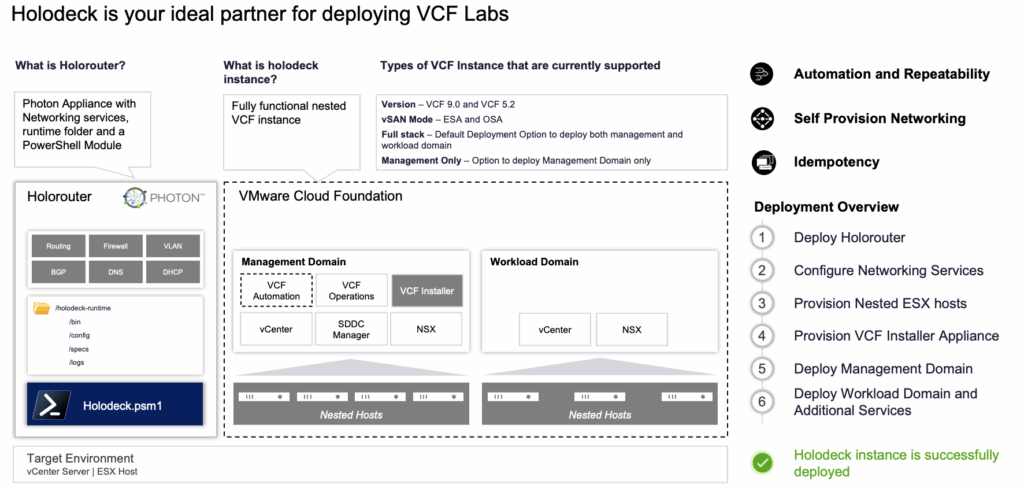
Holodeck for VCF 9 (9.0.2 and 9.1): HoloRouter, Home Lab Requirements, Deployment Steps and Known Issues

Holodeck 9.1 deploys nested VCF 9.1, 9.0.x and 5.2.x labs. HoloRouter, host requirements, download location, deployment commands and known issues.

Short answer: Holodeck is VMware’s free toolkit for deploying a nested VCF lab. It runs on a single ESX host or on a vSphere cluster. The current release, Holodeck 9.1, deploys VCF 9.1.0.0, 9.0.x and 5.2.x, plus VVF. You download the HoloRouter OVA from the Broadcom Support Portal and upload the VCF Installer and ESX binaries to it. Then you run New-HoloDeckConfig and New-HoloDeckInstance in PowerShell on HoloRouter. It is a lab tool only; VMware does not support it.

Holodeck for VCF 9 overview: HoloRouter appliance with nested management domain and workload domain ESX hosts on one physical ESX host
Holodeck environment overview (from the official Holodeck documentation)

Holodeck VCF 9: which release deploys which VCF version

The table below is taken from the official Holodeck release notes. Each release lists the minimum ESX version for the physical host.

Holodeck releaseReleasedVCF versions it deploysMinimum ESX on target
9.12026 (release notes: May 2026)9.1.0.0, 9.0.2.0, 9.0.1.0, 9.0.0.0, 5.2.4, 5.2.3, 5.2.2, 5.2.1, 5.2 (plus VVF 9.x)8.0 U3
9.0.2February 20269.0.2.0, 9.0.1.0, 9.0.0.0, 5.2.2, 5.2.1, 5.28.0 U3
9.0.1October 20259.0.1.0, 9.0.0.0, 5.2.2, 5.2.1, 5.28.0 U3
9.0June 20259.0, 5.2.x8.0 U3

Version notes from the docs:

  • For VCF 9.0.0.0, 9.0.1.0 and 9.0.2.0, the docs recommend VCF Installer 9.0.2.0. VCF Installer 9.0.0.0 is no longer supported for nested deployments.
  • If you want 9.1.0.0, use VCF Installer 9.1.0.0.
  • Starting with 9.0.2, -InstanceID is mandatory. The Day 2 tasks that used to run with -Interactive now live in Update-HoloDeckInstance.

What is HoloRouter?

HoloRouter is a Photon OS appliance, delivered as an OVA, and it is the backbone of every Holodeck lab. The Holodeck PowerShell module comes built into it. HoloRouter provides these services to the nested environment:

  • DNS, DHCP and NTP
  • L3 routing between the nested VLANs and a firewall
  • BGP peering with the NSX Tier-0 gateway
  • A proxy for the VCF Installer
  • Job scheduling
  • An optional webtop desktop on port 30000 of the management IP

Holodeck 9.1 adds several services, all on the fixed vcf.lab domain behind HTTPS: Technitium DNS, HashiCorp Vault, Authentik SSO, an internal CA, and an optional GitLab (“Enable GitOps”) that can trigger deployments from a pipeline.

Default networking uses the 10.1.0.0/20 range for Site A and 10.2.0.0/20 for Site B. The VLANs are 0 and 10–25 for Site A and 40–58 for Site B. You can pass your own /20 CIDR, a VLAN start value and a DNS domain instead. The deployment runs against a centralized JSON config and is idempotent: if it fails, you rerun the same command and it continues where it stopped.

VCF 9 home lab requirements for Holodeck

These are the recommended physical host resources from the official pre-requisites. Holodeck 9.1 applies soft validation: it warns you instead of blocking when you are below them.

TargetSingle site CPU / RAM / diskDual site CPU / RAM / disk
VCF 9.148 / 650 GB / 2.2 TB96 / 1.5 TB / 5 TB
VCF 9.0 (VCF Automation, vSAN OSA)24 / 325 GB / 1.1 TB48 / 768 GB / 2.5 TB
VCF 9.0 (VCF Automation, vSAN ESA)32 / 325 GB / 1.1 TB64 / 768 GB / 2.5 TB
VVF 9.124 / 512 GB / 2 TB48 / 1 TB / 4 TB
VVF 9.012 / 256 GB / 1 TB24 / 512 GB / 2 TB
VCF 5.216 / 384 GB / 2 TB32 / 1 TB / 4 TB

Other requirements from the docs:

  • Target: a stand-alone ESX host or a vCenter-managed cluster. vSphere 8.0 U3 and 9.0 are tested. Use SSD/NVMe storage and have NTP running on every target host.
  • Switch: MTU 9000 on the vSS, vDS or NSX segment.
  • Port group: a dedicated trunk port group (VLAN 4095 on a vSS) with Promiscuous mode, MAC address changes and Forged transmits set to Accept. An NSX overlay segment with matching segment profiles also works.
  • HoloRouter: 6 vCPU, 12 GB RAM and 75 GB disk, plus one external IP per Holodeck environment.
  • Memory tiering: not recommended for nested labs.
  • Licensing: VCF 9.x runs in “License Later” mode for 90 days (60 days for 5.2.x). After that you must license or redeploy.

Holodeck 9.0 / 9.1 deployment flow

  1. Download. Get the HoloRouter OVA (and optionally the Offline Depot OVA) from the Holodeck product files on the Broadcom Support Portal. The docs say you must be signed in with an entitled account. The VCF Installer OVA and the ESX ISO come from the VCF downloads and need a Broadcom account with VCF entitlement.
  2. Deploy HoloRouter. Deploy the OVA to the ESX host or the vCenter. Connect one external port group for management and the trunk port group for Site A/B. Set the password, and enable SSH and webtop if you want them.
  3. Stage the binaries. Copy the binaries into the matching version folder, for example /holodeck-runtime/bin/9.0.2.0/ or /holodeck-runtime/bin/9.1.0.0/.
  4. Create a config and deploy. SSH to HoloRouter and run the commands shown below.
scp /<local-path>/<ESX ISO File Name> root@<Holorouter-IP>:/holodeck-runtime/bin/9.0.2.0/
scp /<local-path>/<VCF Installer OVA File Name> root@<Holorouter-IP>:/holodeck-runtime/bin/9.0.2.0/
ssh root@<holorouter-ip>
pwsh
New-HoloDeckConfig -Description <Description> -TargetHost <vCenter/ESX IP or FQDN> -Username <user> -Password <password>
New-HoloDeckInstance -Version "9.0.2.0" -InstanceID <id> -ManagementOnly -vSANMode OSA

If you leave out -ManagementOnly, you get a full stack: a 4-host management domain plus a 3-host workload domain. Optional switches add more components:

  • -NsxEdgeClusterMgmtDomain adds an NSX Edge cluster in the management domain.
  • -DeployVcfAutomation deploys VCF Automation.
  • -DeploySupervisorMgmtDomain or -DeploySupervisorWkldDomain deploys a Supervisor.
  • -DepotType Offline uses the offline depot.
  • -ProvisionOnly deploys only the nested hosts and the VCF Installer, for a manual greenfield install.
  • -VVF deploys VVF instead of VCF.

In a new PowerShell session, reload the config with Get-HoloDeckConfig and then Import-HoloDeckConfig -ConfigId <id> -Site a. In 9.1, -Site is mandatory. Use one config per deployment.

Known issues worth knowing before you start

  • Pre-check error “No trunk port groups found”. Create the trunk port group (VLAN 4095 plus the three security settings) and rerun the check.
  • Pre-check error “NTP service is not running on target host”. Configure and start NTP on the physical host.
  • DNS resolution fails during deployment. This happens if you gave HoloRouter an upstream DNS server as an FQDN instead of an IP address. Use an IP. The release notes include a DNSMASQ ConfigMap fix.
  • VVF 9.0.0.0 with VCF Installer 9.0.2.0 fails at “Generate Workload Domain Runtime Data Model”. Download the vCenter 9.0.2.0 bundle as well, then resume.
  • VCF 5.2.x ends with “No route to host” at Sync-HolodeckComponents. You can ignore it; VCF 5.2 has no VCF Operations to query.
  • vSAN ESA uses more nested storage than expected. Plan disk space above the minimum.
  • Older 9.0/9.0.1 issues are fixed in 9.0.2. These include the expired NSX Edge OVF certificate (Broadcom KB 424034) and “Validate NSX Install Image is Available”. Use the current release.

I hit a different problem myself: Holodeck 9.0.2 stuck at the VCF Installer bundle step. The fix is in the related post below.

Holodeck was presented at VMware Explore 2025 in session CODEQT1247LV, “Automagically Deploy VMware Cloud Foundation 9.0 in Homelab Using VMware Cloud Foundation Holodeck Toolkit”:

Sources

Related on vdan.cz

Building your GenAI Agents on VCF with Private…

At today’s VMware Explore general session, Chris Wolf showcased Intelligent Assist for VMware Cloud Foundation — bringing AI-powered assistance directly to our users.

Building your GenAI Agents on VCF with Private…

Today at VMware Explore’s general session you saw Chris Wolf demonstrate Intelligent Assist for VMware Cloud Foundation, providing AI-powered assistance for our users. In this blog, we’ll take a step behind the curtain to see how these capabilities are running in VCF, using AI features that […]


Broadcom Social Media Advocacy

Advancing AI for enterprises: Announcing…

Today at hashtag#VMwareExplore, Broadcom and AMD announced an expanded collaboration to deliver private, secure, and high-performance AI infrastructure for enterprises.

Advancing AI for enterprises: Announcing…

Artificial Intelligence (AI) is rapidly transforming industries, and Generative AI (Gen AI) is pushing the boundaries of what’s possible, creating new content and redefining value creation. However, enterprises face significant challenges in AI adoption, especially concerning privacy, data […]


Broadcom Social Media Advocacy

Unleashing the Power of Private AI: New…

VMware Private AI Services Now Included in VCF Subscription
Big news from today’s VMware Explore general session with Chris Wolf 🎉
What was once sold separately is now part of the platform — VCF Private AI Services are now included in your VMware Cloud Foundation subscription.

This marks a major step forward in unleashing the power of Private AI, fueled by Broadcom and NVIDIA innovations.

Unleashing the Power of Private AI: New…

Enterprises can get tremendous productivity and business transformation from AI. With VMware Private AI Foundation with NVIDIA, Broadcom and NVIDIA aim to unlock AI and unleash productivity with lower TCO. Recently with VCF 9.0, Broadcom and NVIDIA released several features in VMware Private AI Foundation with NVIDIA to further our mission of providing private and … Continued The post Unleashing the Power of Private AI: New Innovations from Broadcom with NVIDIA appeared first on VMware Cloud…Read More


Broadcom Social Media Advocacy

The Communities Lounge at VMware Explore 2025

The Communities Lounge at VMware Explore 2025

The Communities Lounge is the main place for the VMware community to meet and reconnect at Explore, right at the center of the event. I like to think of it as one of the great train stations of old cities. It carries a timeless feeling: the place where journeys cross, where you meet faces […]


Broadcom Social Media Advocacy

VMware Explore 2025 in Las Vegas | Day 1 Recap

VMware Explore 2025 in Las Vegas | Day 1 Recap

VMware Explore 2025 in Las Vegas | Day 1 Recap

VMware Explore 2025 in Las Vegas Day 1 Recap | August 25, 2025 If you heard the collective buzz across the Venetian Convention and Expo Center today, that was Day 1 of VMware Explore in Las Vegas coming to life. You crushed it—140 sessions across all four tracks, endless hallway conversations, and a few “just … Continued The post VMware Explore 2025 in Las Vegas | Day 1 Recap appeared first on VMware Explore Blog.


Broadcom Social Media Advocacy

Exploring Beyond VMware Explore: Best Things to Do in Las Vegas (Beyond the Casinos)

Things to do in Las Vegas beyond the casinos, for VMware Explore attendees with a free afternoon or an extra day.

I hope you’re enjoying yourselves in the spectacular city of Las Vegas! While the Strip is world-famous for its casinos and neon lights, there’s so much more waiting for you beyond the roulette tables. If you find yourself with a bit of spare time, here are some gems you won’t want to miss.


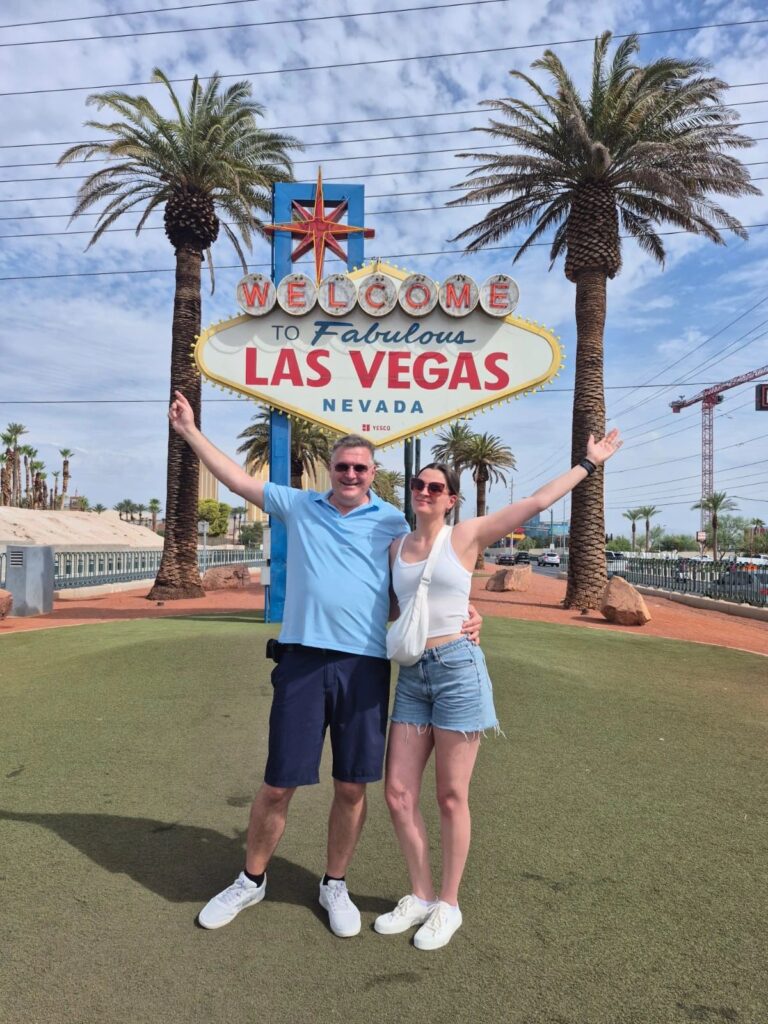
Welcome to Fabulous Las Vegas Sign

Kick off your adventure at the iconic “Welcome to Fabulous Las Vegas” sign, located at the southern end of the Strip. It’s the ultimate photo stop and a must-see landmark for every visitor. Arrive early in the morning if you’d like to beat the crowds and grab your selfie without waiting in line.


Ride the Deuce Bus Along the Strip

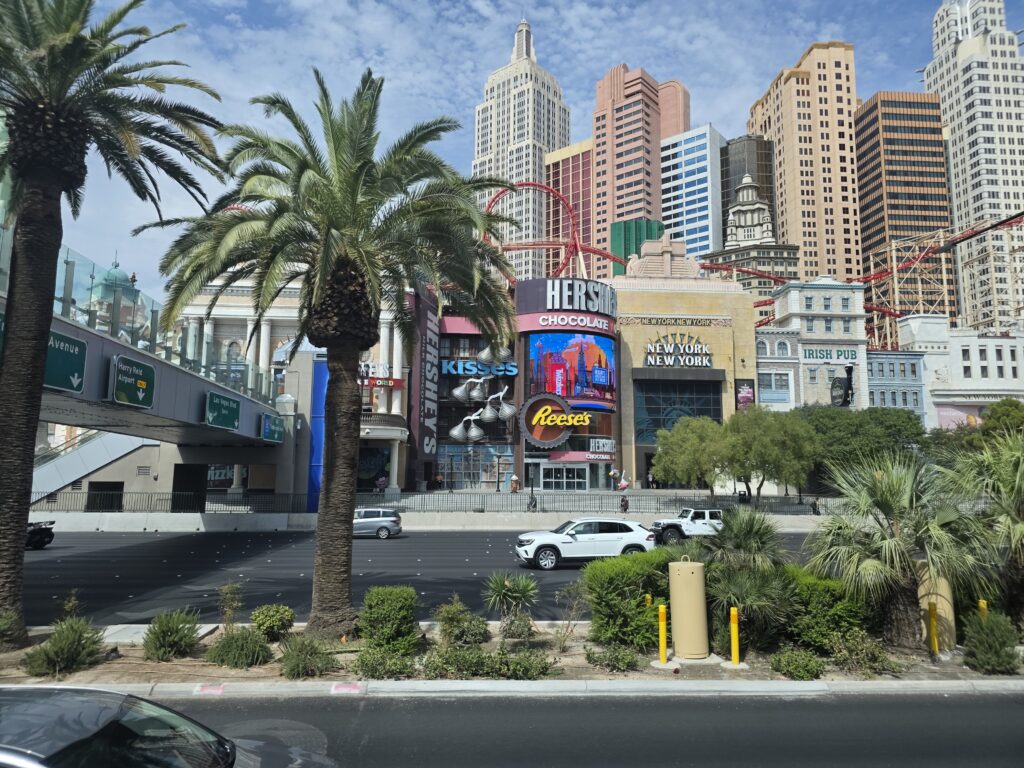
One of the easiest—and most affordable—ways to explore Las Vegas is the Deuce bus, which runs 24/7 along the Strip. For just a few dollars, you can travel all the way from the Las Vegas sign to downtown. Along the ride you’ll pass mega-resorts, quirky hidden gems, and plenty of photo-worthy spots.

💡 Tip: Tickets are simple to get—just download the RideRTC app


Downtown Las Vegas – Fremont Street

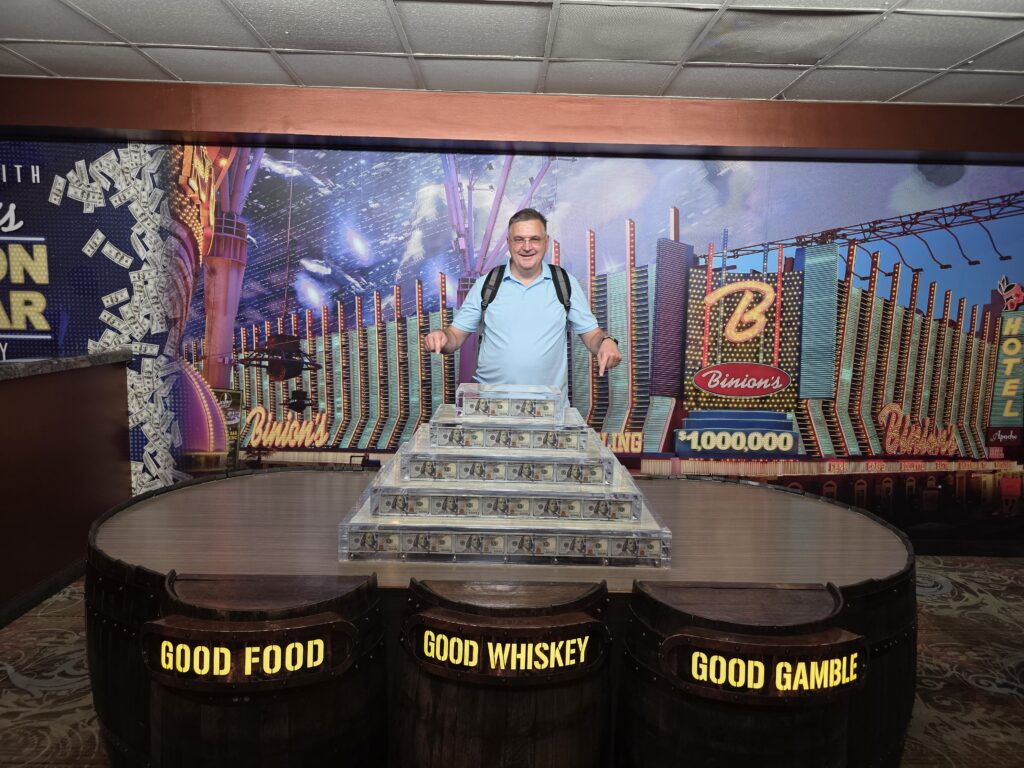
At the end of the bus ride, you’ll land in downtown Las Vegas, the birthplace of the city’s casino culture. Don’t miss Binion’s Casino, where you can take a free photo with one million dollars in cash (yes, real bills!).

By night, Fremont Street transforms into a festival of sound and light, with live music stages, street performers, and the jaw-dropping Fremont Street Experience—a massive canopy that comes alive with LED animations and booming music.


Take a Break From the Strip

When the neon starts to feel overwhelming, step into nature. Just a short drive away lies Red Rock Canyon, a breathtaking desert escape with scenic drives and hiking trails. Or head to Lake Mead, the vast reservoir created by the Hoover Dam. Whether you swim, kayak, or simply relax by the shore, it’s the perfect place to recharge away from the Strip.


Day Trips Beyond Las Vegas

Looking for a true bucket-list experience?

  • Grand Canyon, Arizona – Standing on its rim and gazing into its endless depths is a moment you’ll never forget.
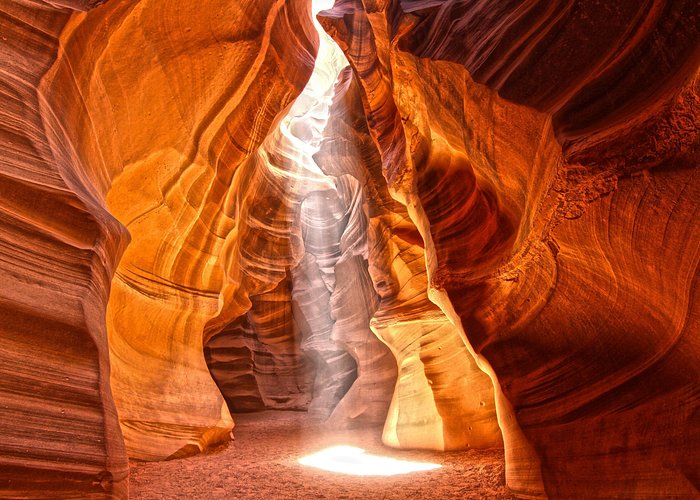
  • Antelope Canyon, Arizona – If your journey takes you further east, its smooth sandstone walls, painted in red and gold, create one of the most photogenic spots on Earth.

💡 Tip: To easily browse and book tours, check out the GetYourGuide app


Now Is the Time to Explore!

Las Vegas isn’t just about entertainment—it’s a gateway to adventures, culture, and some of the most stunning natural wonders in the American Southwest. So pack your curiosity, grab your camera, and start discovering!

Session Scheduling Is Now Live: VMware Explore 2025 Las Vegas

Session scheduling for VMware Explore 2025 Las Vegas is open. Book popular sessions early to avoid waiting lists.

If you’re planning to attend VMware Explore 2025 in Las Vegas, now’s the time to act—Session Scheduling Is Now Live! 🚨

Don’t risk landing on a waiting list for the most sought-after sessions. Some of them fill up quickly, especially those focused on VMware Cloud Foundation 9.0 (VCF), Private AI, and hands-on labs led by community legends.

🎯 Why I’m Excited About Explore 2025

As someone who’s both a cloud infrastructure nerd and an AI enthusiast, VMware Explore is the perfect blend of both worlds. From the latest features in VCF 9.0 to deep dives into AI inference at scale, this year’s agenda is packed with innovation. I’m especially hyped for the sessions that explore how to run enterprise-grade workloads (like LLMs!) on VMware infrastructure, even in constrained environments like home labs.

🧠 My Personal Session Picks

I’ve handpicked 10+ sessions I consider absolute must-attends—whether you’re an AI practitioner, SDDC architect, or storage performance junkie.

📝 I shared my detailed picks already in this post:
👉 My Top 10 Sessions You Can’t Miss at VMware Explore 2025

Here’s a quick refresher:

Top 10 Sessions You Should Lock In Right Now

1️⃣ Deploying Minimal VMware Cloud Foundation 9.0 Lab
📎 CLOB1201LV – William Lam
Perfect for home labbers and resource-conscious architects.

2️⃣ Real-World Lessons in Rightsizing VCF for On-Prem AI Workloads
📎 INVB1300LV – Frank Denneman & Johan van Amersfoort
A deep and practical look at balancing AI infra needs.

3️⃣ Unleashing AI Inference at Scale with NVIDIA Dynamo
📎 INVB1070LV – Denneman & Kelly
Mind-blowing scale potential for LLMs on VMware Private AI.

4️⃣ Encryption, Keys & Secrets for Kubernetes – Part 1 & 2
📎 CMTYQT1284LV & CMTYQT1285LV – Waldemar Pera
Security-first deep dive for modern hybrid cloud architectures.

5️⃣ Six Innovations Redefining Storage and DR in VCF
📎 CLOB1028LV – Duncan Epping
From ransomware recovery to S3, this is storage future today.

6️⃣ vSAN Express Storage Architecture Deep Dive
📎 CLOB1067LV – Epping & Nicholson
If you thought vSAN couldn’t get faster—you’ll be surprised.

7️⃣ Mastering vGPU Management in VMware for AI
📎 INVB1158LV – Shawn Kelly & Justin Murray
GPU slicing, vMotion, best practices—all in one session.

8️⃣ Security & Resilience for Sovereign AI
📎 CLOB1262LV – Bob Plankers & Justin Murray
Vital for organizations building compliant, sovereign AI solutions.

9️⃣ What’s New in VCF 9.0 Security & Compliance
📎 CLOB1261LV – Bob Plankers
Stay audit-ready with the latest VCF 9.0 compliance updates.

✨ BONUS: SPECIAL INVITE – Homelab Meets SAM2: Fine-Tune Like a Pro
📎 CMTYQT1227LV
I’ll be co-presenting this one! We’ll show how we fine-tuned SAM2 for video segmentation using just a homelab.


📌 Why You Should Go to VMware Explore

Whether you’re an enterprise architect, a cloud engineer, or just a tinkerer with a homelab and ambition—VMware Explore is where the future of infrastructure gets built. It’s not just about announcements—it’s about ideas, connections, and the spark that fuels your next big project.

🌐 Register now and lock in your schedule:
👉 https://brcm.tech/3YYd1yg

Don’t miss out. I’ll see you there—maybe at the SAM2 session! 😉